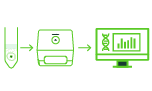








Generate Cellular-Level Insights with Single-Cell Sequencing
Signios Bio is a 10x Genomics-certified provider of single-cell RNA-seq, immune profiling, single-nuclei sequencing, ATAC-seq, and multi-omics analysis. Our services include automated tissue dissociation, cell sorting, dead cell removal, and AI-powered bioinformatics to support every stage of your study.
Single-Cell Sequencing Workflows
We offer comprehensive workflows tailored to your research goals.
Workflow
Description
Ideal Applications
![]()
Workflow
Gene Expression (3′ GEX)
Description
Quantify transcriptional profiles across thousands of cells
Ideal Applications
Cell-type identification, transcriptomics
![]()
Workflow
Immune Profiling
Description
Map BCR and TCR repertoires and clonotypes for adaptive immunity studies
Ideal Applications
Immunology, vaccine response, autoimmune research
![]()
Workflow
Multi-Omics (ATAC + GEX)
Description
Profile chromatin accessibility and gene expression simultaneously within individual cells
Ideal Applications
Epigenetics, regulatory networks, disease states
![]()
Workflow
CITE-Seq and Cell Hashing
Description
Combine transcriptomic analysis with protein expression data for precise cell characterization
Ideal Applications
Protein marker analysis, sample multiplexing
![]()
Workflow
Single-Nuclei Sequencing
Description
Profile nuclei from frozen or archival tissues are ideal for challenging sample types
Ideal Applications
Neurological tissues, archival samples, and complex tissues
Common Tissue Types: PBMC, brain, liver, lung, kidney, cultured cells, tumor samples
Trusted by academic labs across oncology, immunology, and neuroscience research.
Accepted Sample Types for Single-Cell RNA Sequencing
We accept samples at multiple stages, including fresh cells, GEMs, cDNA, and pre-constructed libraries.
| Sample Type | Parameter | Details |
|---|---|---|
| Viability | Greater than 85% | |
| Fresh or FACS-Sorted Cells | Cell Count | 500,000–1 million (standard) or more than 1 million (high-throughput) |
| Media | 10% FBS or PBS with 1% BSA | |
| Shipment | Less than 24 hours on ice | |
| Viability | Greater than 85% | |
| Cryopreserved Cells | Cell Count | 1–2 million (standard) or more than 2 million (high-throughput) |
| Cryopreservant | CryoStor CS10 or 90% FBS with 10% DMSO | |
| Shipment | Dry ice | |
| Tissue Weight | 50–100 mg | |
| Fresh Tissue | Storage Media | Miltenyi MACS solution (Cat #130-100-008) |
| Automated Dissociation | Available for consistent and reliable preparation | |
| Shipment | Within 48 hours on ice with cold packs | |
| Tissue Weight | 50–100 mg | |
| Frozen Tissue (Nuclei Only) | Freezing Method | Flash-freeze in isopentane with liquid nitrogen or a precooled cryovial on dry ice |
| Shipment | Dry ice |
Single-Cell Sequencing Protocols and Applications
We support standalone epigenetic assays and combined single-cell workflows validated by 10x Genomics.
| Protocol | 3′ GEX | ATAC-Seq | Multi-Omics | Immune Profiling | CITE-Seq & Hashing |
|---|---|---|---|---|---|
| Fresh or FACS Cells | |||||
| Cryopreserved Cells | |||||
| Fresh Tissue (nuclei prep) | N/A | N/A | N/A | ||
| Frozen Tissue (nuclei input) | N/A | N/A | N/A |
Advanced Single-Cell Bioinformatics Analysis
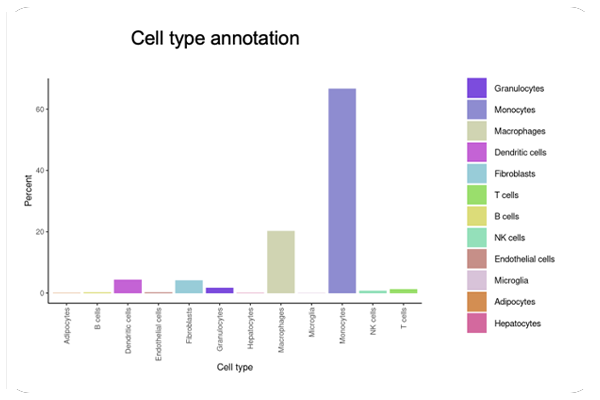
Our bioinformatics platform supports a wide range of analysis needs, including single-cell RNA
sequencing (scRNA-seq), ATAC-seq, immune profiling, and multi-omics integration.
- Quality control and alignment using best-in-class tools
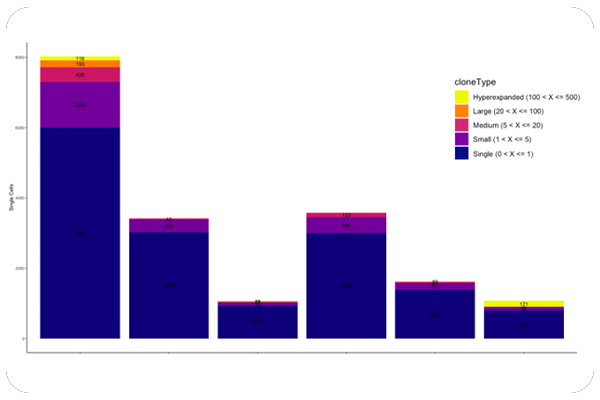
- BCR and TCR heavy-light chain pairing for immune profiling
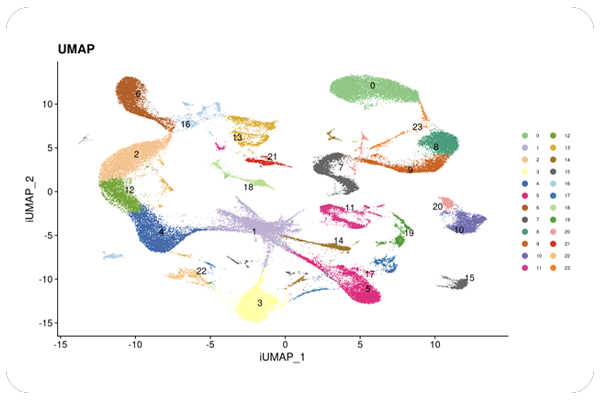
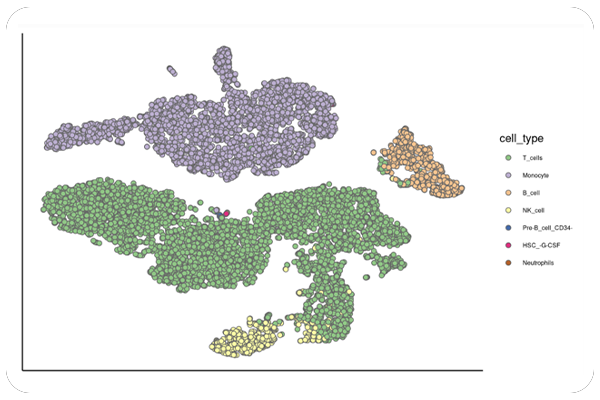
- Dimensionality reduction and clustering (UMAP, t-SNE)
- Multi-omic overlays of chromatin accessibility and gene expression
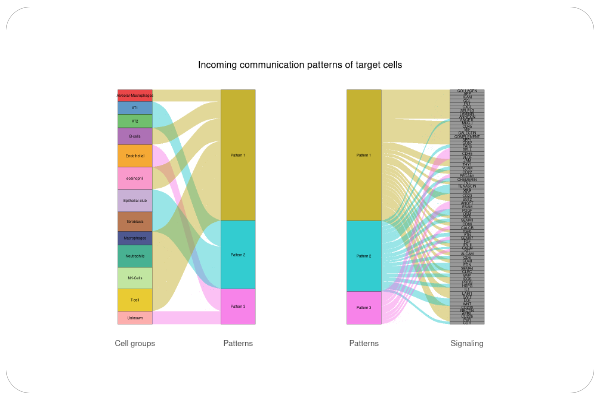
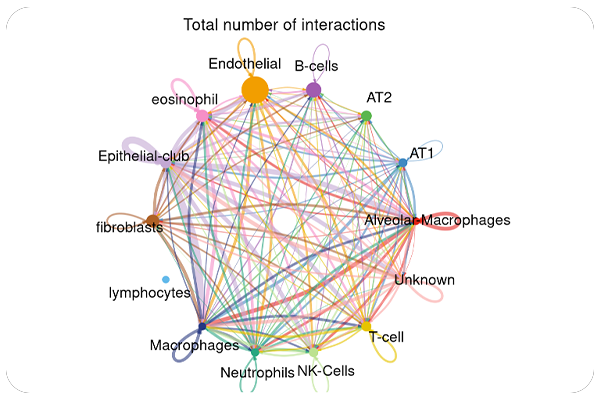
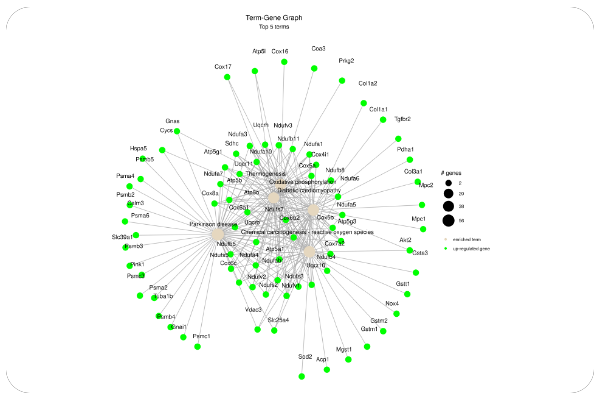
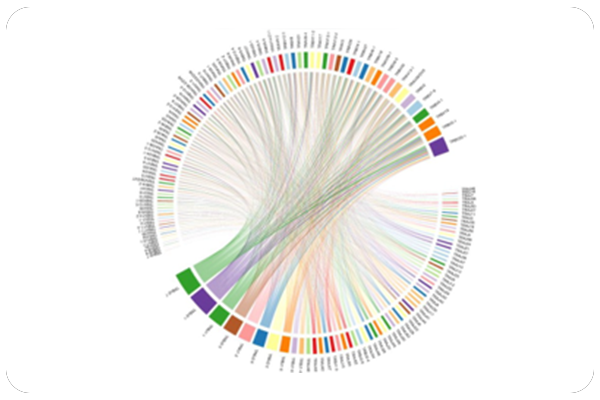
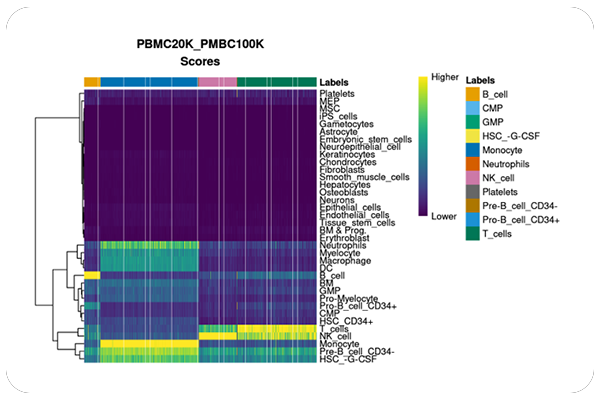
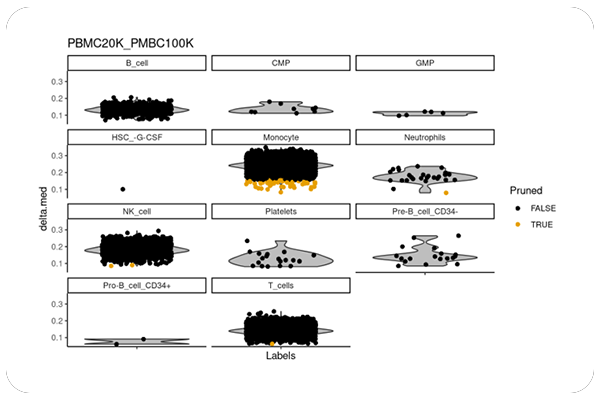
- Interactive HTML reports with heatmaps, volcano plots, and pathway visualizations
Get the Whitepaper
See how researchers are mapping disease biology at single-cell resolution
This white paper examines the practical application of multi-omics approaches in investigating gene expression, chromatin state, and immune response at the cellular level.
Frequently Asked Questions
1. What can single-cell sequencing be used for?
Applications include tumor heterogeneity, immune cell profiling, developmental biology, stem cell characterization, and tissue regeneration studies. It’s also key in identifying rare cell populations and therapeutic targets.
2. Which single-cell sequencing technologies do you use?
Signios Bio primarily uses 10x Genomics Chromium platforms for single-cell RNA-seq, immune profiling (TCR/BCR), and ATAC-seq. These platforms support high-throughput, high-resolution data generation.
3. What types of samples are accepted for single-cell sequencing?
Signios accepts fresh tissue, dissociated cell suspensions, PBMCs, and cryopreserved single-cell inputs. Each sample must meet cell viability and count thresholds for optimal results.
4. Can you profile immune cells at single-cell resolution?
Yes. Signios Bio offers single-cell TCR/BCR sequencing integrated with gene expression profiling—enabling paired chain analysis and immune phenotype mapping of T-cells and B-cells.
5. What data do I receive from a single-cell project?
Deliverables include raw FASTQ files, Cell Ranger outputs, gene expression matrices, immune clonotype tables, dimensionality reduction plots (e.g., t-SNE, UMAP), and high-quality summary reports.
6. How many cells can be profiled per sample?
Typical experiments capture 5,000–10,000 cells per sample, scalable depending on input quality and project design. Subsampling and enrichment are also possible.
7. Can you help with experimental design and panel selection?
Yes. Signios Bio provides consultative support in sample planning, panel selection (e.g., human vs mouse panels), and protocol optimization to ensure study success.
8. How long does single-cell sequencing take?
Projects generally complete in 3–5 weeks depending on sample quality, complexity, and analysis requirements.
Get Started
Not sure where to start? We’ll guide you through sample prep and workflow—at no cost.