
US Based · Multiomics Solutions
One Sample, Many Signals of Biology
Combining genomic, transcriptomic, epigenomic, immune profiling, and proteomic assays into a single integrated study. Merging the data with cross-platform bioinformatics to answer questions no single omic can.
How multiomics works
Every layer, integrated into one
Signios Bio serves as an expert extension of your research team, helping navigate the complexities of modern disease biology. By uniting diverse multi-omic technologies, including bulk sequencing, single-cell analysis, spatial transcriptomics, and proteomics, under one roof, we provide the high-resolution data required to drive innovation. Our scientist-led workflows empower translational research and biomarker discovery teams to transform molecular insights into the next generation of precision therapies.
Explore by research goal
Solutions built around your question
Each solution layers the right assays for the biology you’re studying. Start with your goal. We’ll design the combination.
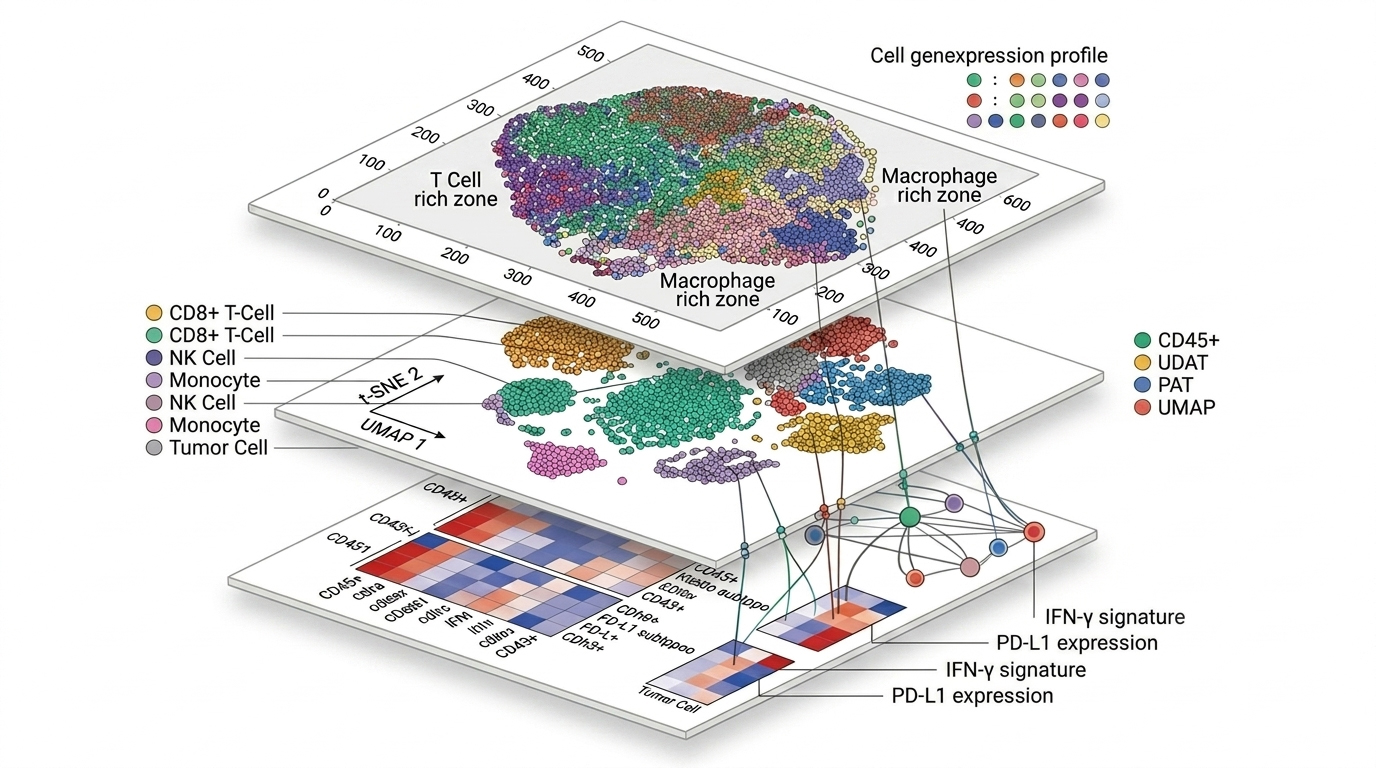
Resolve the spatial and cellular architecture of tumors and the immune cells around them, mapping which populations sit where and how they interact.
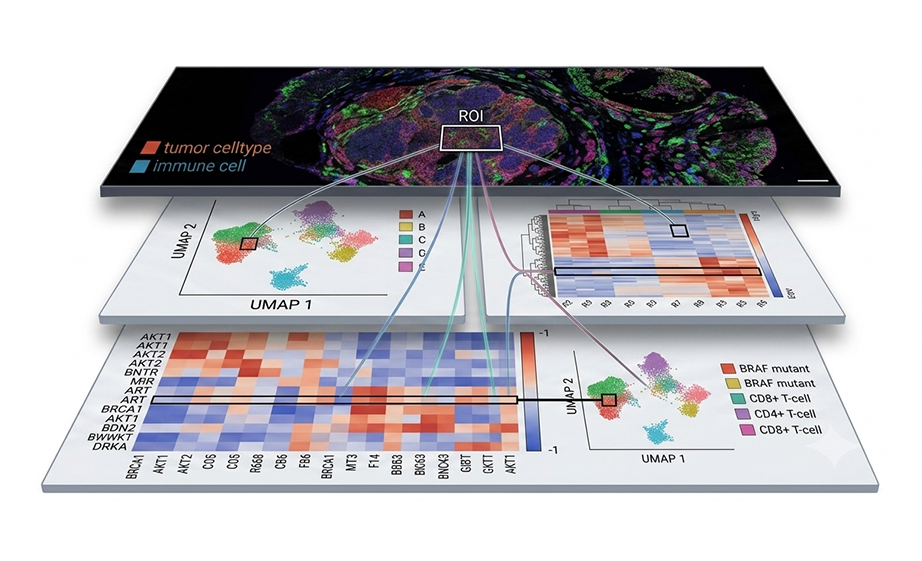
Nominate and validate candidates across molecular layers, so a signal seen in expression is corroborated at the genomic and protein level before you commit.
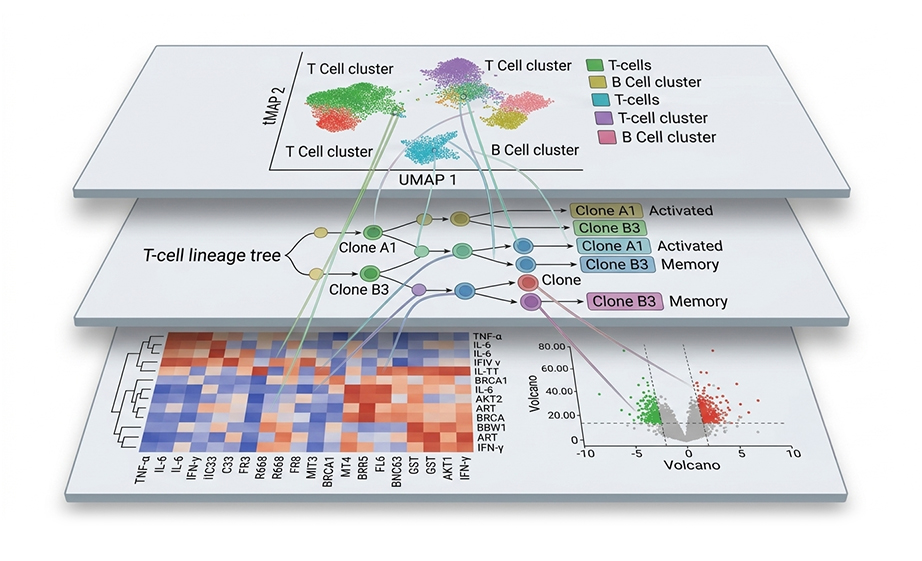
Profile immune cell states, clonal expansion, and circulating protein signatures together, connecting who the cells are to what they secrete.
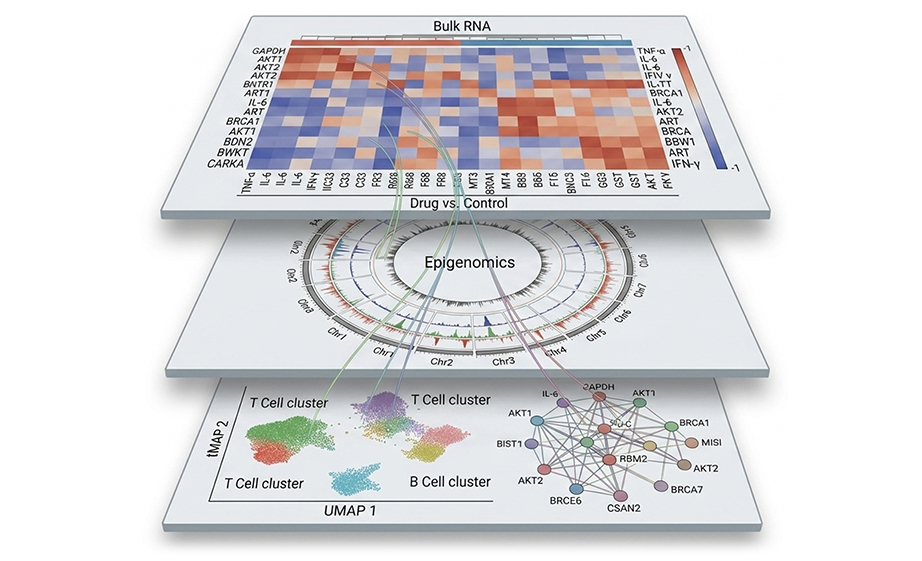
Trace how a compound reshapes expression, regulation, and protein output across tissues, separating direct effects from downstream consequences.
Therapeutic areas
Multi-omic solutions by disease area
Purpose-built workflows for the biology you study. Each disease area draws on our Signals, named combinations of assays proven to resolve a specific biological question.
Oncology
Decode complex tumor genomics and characterize immune infiltration. Our workflows reveal the pathways driving progression, helping you validate targets and accelerate precision cancer therapies.
Immunology
From TCR/BCR sequencing to single-cell profiling, we map the immune landscape, dissecting activation and exhaustion to uncover mechanisms behind autoimmune and inflammatory disease.
Rare Diseases
High-resolution whole genome and exome sequencing uncovers novel mutations in undiagnosed conditions, clarifying genetic basis and accelerating the path to diagnosis and therapy.
Neurology Disorders
Spatial biology and single-cell sequencing decode the cellular heterogeneity of neurodegenerative disorders, identifying localized biomarkers behind disease progression and neuroinflammation.
Metabolic & Cardiovascular
High-sensitivity proteomics and genomic profiling uncover critical biomarkers for insulin resistance, obesity, and atherosclerosis, advancing precision therapies for metabolic health.
Cell & Gene Therapy (CGT)
Single-cell and long-read sequencing monitor gene-editing outcomes, CAR-T persistence, and vector integration, ensuring safety and efficacy of next-generation biologics.
The Signal library
Eight Signals. One integrated answer.
Signios’s Signals are validated combinations of assays and resolution built to answer one question. We compose them into a study designed around your biology.

TME Signal
Identifies distinct cell populations and gene regulatory networks driving tumor evolution, via transcriptomics at single-cell and spatial resolution.

TCR/BCR Profile Signal
Investigates clonal expansion of antigen-specific T and B cells via transcriptomics at single-cell resolution.

Immunogenomic Signal
Maps chromatin accessibility changes and epigenetic features of memory immune cells at single-cell resolution.

Neuroregulation Signal
Detects changes in methylation and chromatin structure and identifies vulnerable neuronal populations, using transcriptomics and epigenomics at single-cell and spatial resolution.

Neuroimmune Signal
Establishes disease-associated neural cell populations and maps immune cell infiltration in the brain via spatial transcriptomics and epigenomics.

Precision DNA Signal
Catalogs genomic rearrangements, assembles uncharacterized regions, and classifies cellular targets via long-read DNA sequencing.

Multi-level RNA Signal
Detects full-length RNA isoforms and resolves structural variants via long-read RNA sequencing.

Pathogen Signal
Determines resistance genes, resolves complex genomes, and detects bacterial epigenetic regulation via long-read DNA and methylation profiling.
Why multiomic
Integration beats isolated experiments

01
Every assay runs in our Foster City lab on coordinated timelines, avoiding the technical drift that comes with splitting a study across multiple vendors.
02
We plan extraction up front so DNA, RNA, and protein can all be recovered from a single intake. This is critical when specimens are limited or irreplaceable.

03
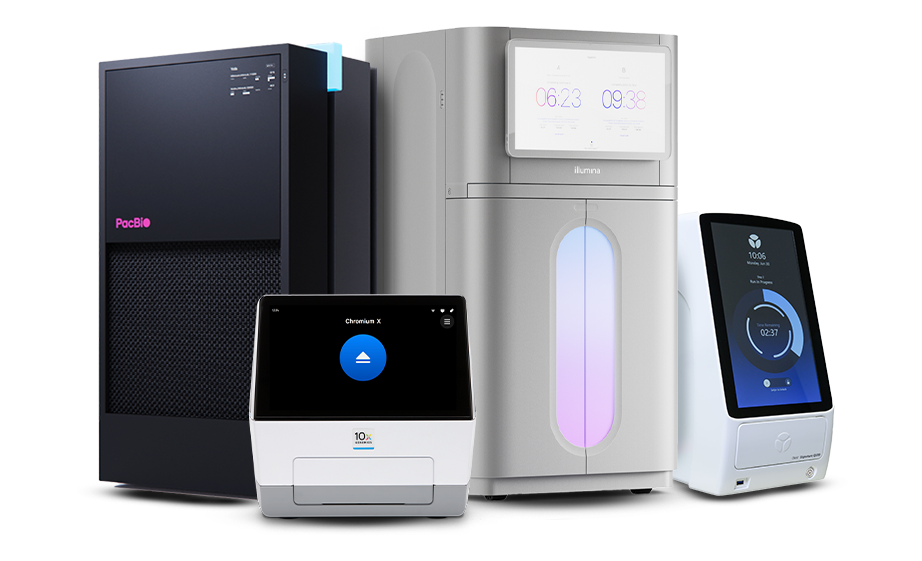
Illumina short-read, PacBio long-read, 10x single-cell, and Olink proteomics run side by side, so the combination your question needs is never limited by what we can access.
04
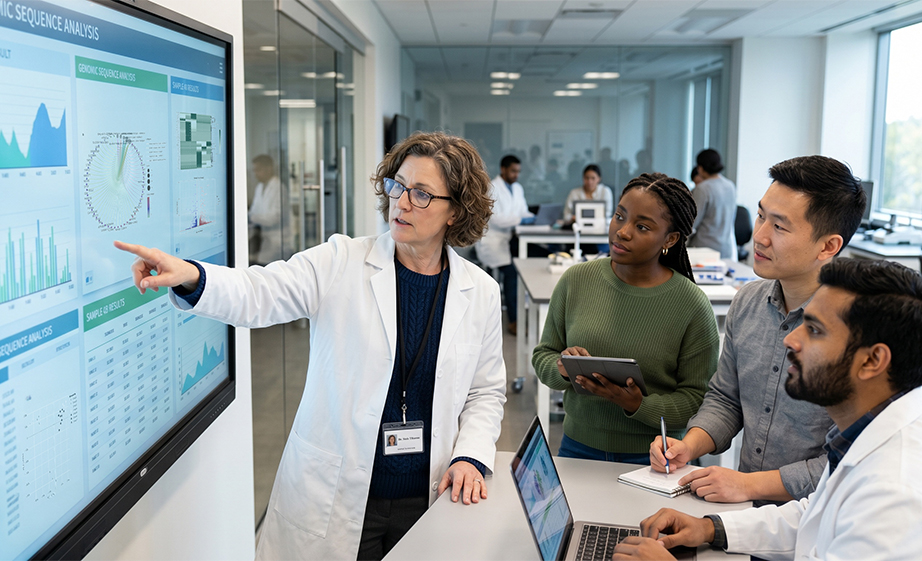
Joint analysis connects genotype to expression to phenotype. You receive one integrated report from scientists who reviewed it, not four parallel datasets to reconcile yourself.
Validated chemistries & instrument partners





The Signios partnership
A coordinated workflow across every assay
Every sample entering our Foster City, CA laboratory follows one standardized, tracking-validated flow, designed so each omic layer stays in step with the others.
Step 1
We map your question to the right combination of omic layers, aligning assays, resolution, and depth to your biology before any sample moves.
Step 2
One intake, planned extraction of DNA, RNA, and protein, with QC checkpoints that protect yield across every downstream modality.
Step 3
Each modality is prepped with its validated chemistry and tracked together, so nothing drifts between layers of the same sample.
Step 4
Illumina, PacBio, and proteomics runs execute on aligned timelines, keeping every layer of your study in sync.
Step 5
Harmonized data and one joint report, delivered securely. Relationships between layers are surfaced, not just parallel results.
We map your question to the right combination of omic layers, aligning assays, resolution, and depth to your biology before any sample moves.
One intake, planned extraction of DNA, RNA, and protein, with QC checkpoints that protect yield across every downstream modality.
Each modality is prepped with its validated chemistry and tracked together, so nothing drifts between layers of the same sample.
Illumina, PacBio, and proteomics runs execute on aligned timelines, keeping every layer of your study in sync.
Harmonized data and one joint report, delivered securely. Relationships between layers are surfaced, not just parallel results.
Integrated bioinformatics
No single omic tells the whole story
Our pipelines harmonize datasets across platforms and jointly analyze them so relationships between layers surface, not just parallel results.
Data harmonization
Normalize and align modalities onto a common sample and feature framework.
Joint / multi-modal analysis
Correlate genotype, expression, and protein signals to find cross-layer drivers.
Integrated visualization
Unified figures and reports that tell one biological story, publication-ready.
Proven impact
Studies we helped make possible
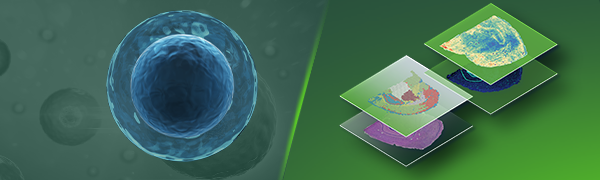
Single-cell + Spatial Transcriptomics
Mapping the biological pathways altered by traumatic brain injury
Our team collaborated with researchers at Virginia Tech to investigate the molecular mechanisms of TBI and its associated gene expression changes. Single-cell and spatial transcriptomics revealed transcriptome-level shifts and surfaced new biological targets for therapeutic intervention.
Whole Genome + Polygenic Risk Scores
Identifying novel drug targets in young-onset Parkinson's disease
Partnering with Denali Therapeutics and the Parkinson Research Alliance of India, we recruited and processed samples from 100 YOPD patients, generated whole genome data, and validated polygenic risk scores. Published in Advanced Biology, the pilot expanded to 675 patients.
Resources
Plan your multiomic study
MULTIOMICS SOLUTIONS
Unlocking Biological Insights with Advanced Multiomics
A comprehensive overview of our multiomics portfolio to help you match the right assay to your sample type and research goals.
BIOINFORMATICS GUIDE
Selecting the Right Multiomics Analysis Package
A guide to our tiered bioinformatics packages from basic QC and standard pipelines to advanced and custom multiomic integration helping you choose the right analysis level for your data.
BROCHURE
Multiomic Approaches for Complex Questions in Oncology
An overview of high-resolution sequencing and bioinformatics workflows designed for solid tumors, immune profiling, and hematologic malignancies.
Frequently Asked Questions
Planning a multiomic study
Can you run multiple omics from a single sample?
Yes. We plan extraction up front so DNA, RNA, and protein can be recovered from one intake, maximizing yield from limited or precious specimens.
How is multiomic data actually integrated?
Our bioinformatics team harmonizes modalities onto a shared framework and runs joint analyses that correlate signals across layers, delivering one integrated report, not separate outputs.
Do I have to choose all the layers up front?
No. Start with your research goal and our scientists recommend the combination of assays that best answers it. You can scale the study up or down.
What's the turnaround for a multiomic project?
Timelines depend on the layers and sample count. Because everything runs in one lab on aligned timelines, integrated projects typically complete in 4–6 weeks from QC sign-off.
Start with your question. We'll design the study
Tell us what you’re trying to learn, not which assays to run. A PhD scientist maps your question to the right combination of layers and sends a tailored plan and quote within one business day.
- Every layer under one roof, no vendor handoffs
- One intake, coordinated DNA, RNA & protein extraction
- Jointly analyzed, one integrated report
Design your study