US Based · Spatial Analysis

Spatial Bioinformatics & Analysis

Turn spatial reads into morphology-registered biology. Space Ranger, Xenium Ranger and downstream Seurat and Squidpy workflows, run by our SF Bay Area computational team and delivered in 7 to 10 days.

Spatial Analysis

Scalable spatial bioinformatics

US-based pipelines built for Visium HD, Illumina StrataMap and Xenium data. From automated Space Ranger processing to a dedicated bioinformatician, our tiered models turn spatial matrices into publication-ready biology registered to your own H&E image.

Standard Analysis

Automated secondary analysis for standard spatial expression studies.

Best for

Standard spatial expression mapping and QC review

Advanced Analysis

Deep-dive spatial profiling for complex tissue architecture.

Best for

Mechanism studies, biomarker localization and translational research

Customized Analysis

Tailored spatial workflows built around your study parameters.

Best for

Specialized designs, non-model species and multimodal integration

FTE BioFx Model

Dedicated computational support for long-term programs.

Best for

Pharma and biotech teams needing sustained analytical capacity

*Spatial analysis in 7–10 days · volume pricing available
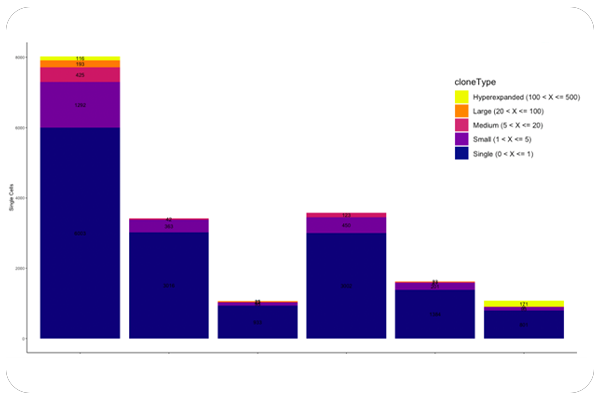
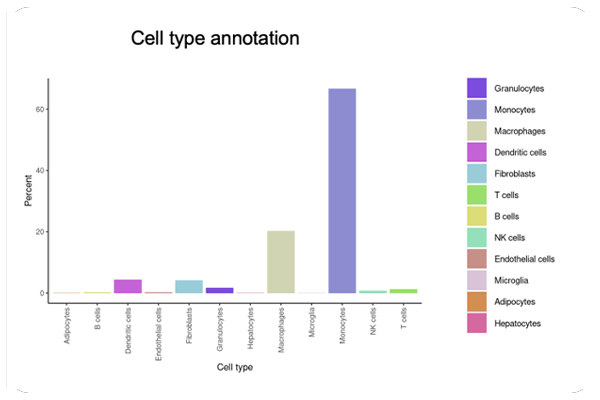
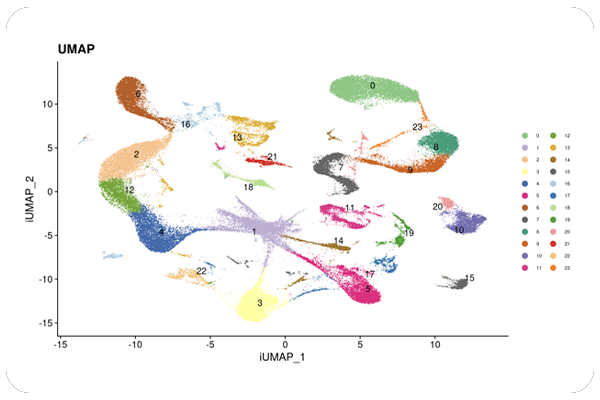
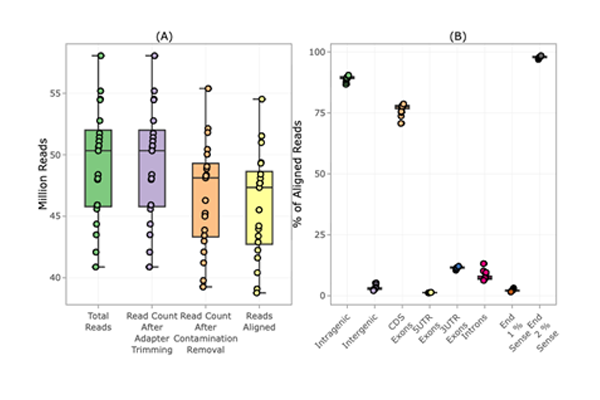
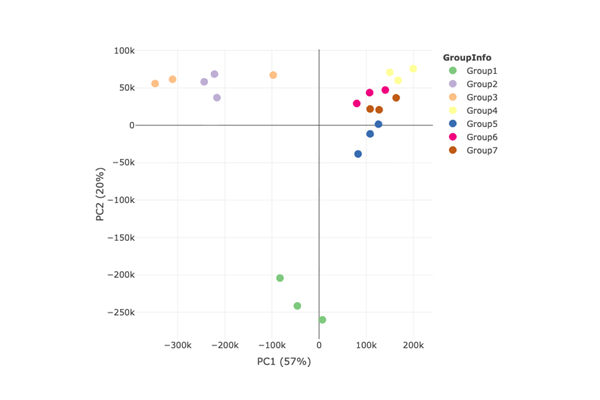
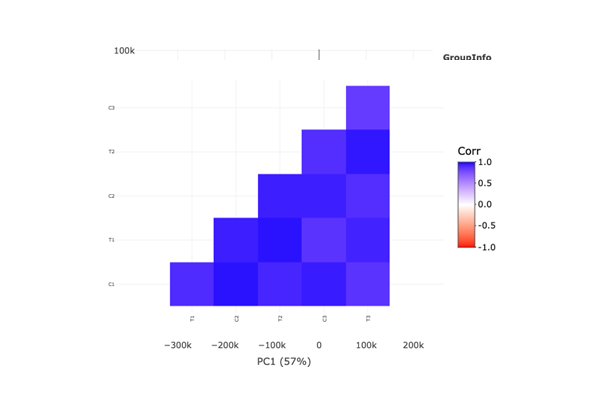
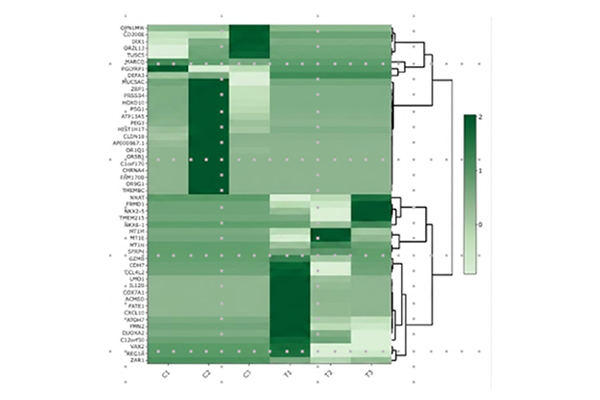
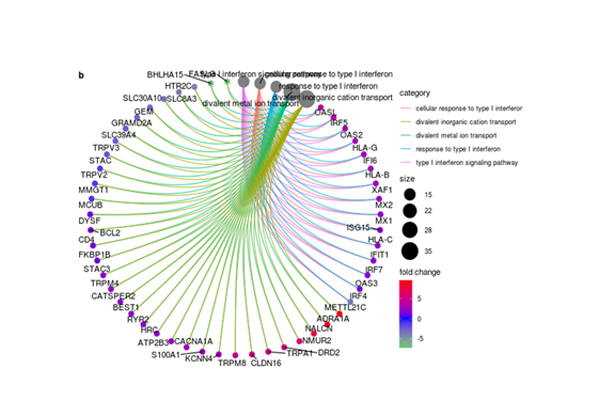
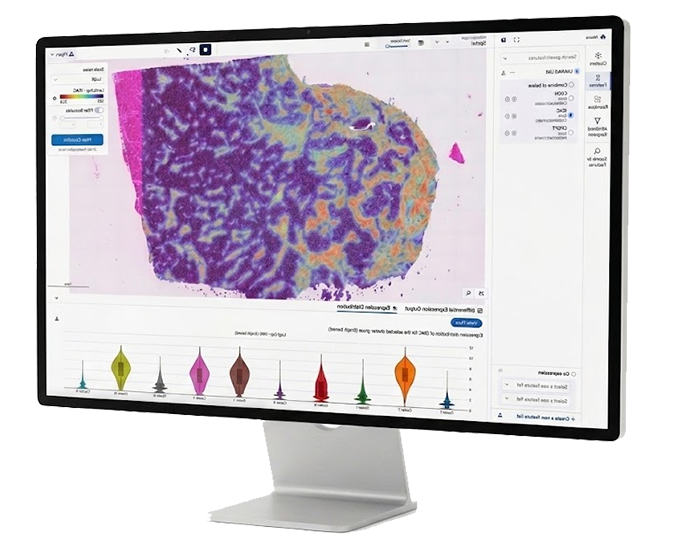
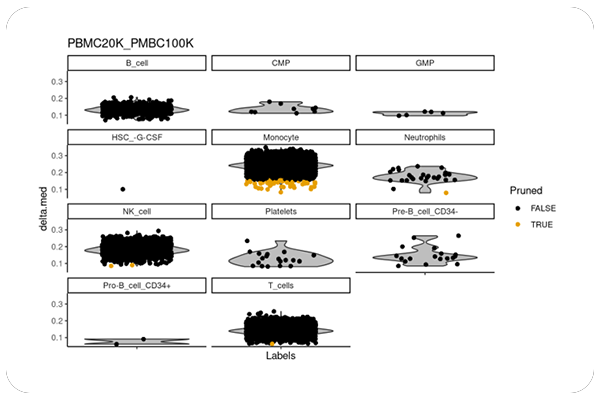
Figures we deliver
The Signios advantage

Why choose Signios for spatial analysis

Validated Vendor Pipelines

Validated Vendor Pipelines

Space Ranger and Xenium Ranger run to manufacturer specification, so your results are directly comparable to published spatial datasets.

Platform Agnostic

Platform Agnostic

One analysis team across Visium HD, Illumina StrataMap and Xenium. Sequencing-based and imaging-based data handled with the same reporting standard.

Morphology-Registered Output

Morphology-Registered Output

Every expression map is registered to your own H&E or IF image, so transcripts are interpreted in anatomical context rather than as a coordinate list.

Segmentation & Binning Control

Segmentation & Binning Control

Bin size and cell segmentation are tuned to your tissue rather than left at default, which matters most in dense or heterogeneous sections.

Single-Cell Integration Ready

Single-Cell Integration Ready

Spatial data can be deconvolved against a matched single-cell reference to assign cell types with greater confidence.

Scientist-to-Scientist Support

Scientist-to-Scientist Support

Work directly with our Foster City computational team to refine parameters or rebuild figures for a specific journal.

Applications of Spatial Analysis

Our spatial analysis services support a broad range of research applications, including:

Resources & insights

Technical resources

Frequently asked questions

Everything you need to plan your analysis

Pipelines & platforms

Space Ranger for Visium and Illumina StrataMap, Xenium Ranger for Xenium, with downstream analysis in Seurat and Squidpy. Differential expression uses DESeq2 or the Seurat test appropriate to your design.

Visium HD (probe-based and 3′), Illumina StrataMap, and 10x Xenium. Sequencing-based and imaging-based data are reported to the same standard.

Standard analysis uses the vendor default bin. Customized analysis tunes bin size and segmentation to your tissue, which matters most in dense or heterogeneous sections.

Data & deliverables

7 to 10 days for our standard and advanced packages once data is in hand. Customized workflows are scoped case by case.

Raw FASTQ, processed expression matrices, browser files (CLOUPE or platform equivalent), a QC report, and a PDF report with publication-ready figures registered to your tissue image.
Yes. We analyze spatial data from a third-party facility. We set up a secure FTP link for transfer, then confirm QC before processing.
Scope & QC

Yes. Spatial data can be deconvolved against a matched single-cell reference to assign cell types with greater confidence, available in the Customized tier.

Sequencing-based spatial assays with 3′ capture are species agnostic, so analysis is possible with any reference genome. Where no reference exists we can assemble one using our PacBio long-read services.

Every project begins with a QC phase evaluating sequencing depth, base quality and capture efficiency. If a section underperforms, our team consults with you before running the main pipeline so you can proceed, filter, or exclude it.

Explore related spatial services

Spatial 10x Visium Spatial Service

Probe-based and 3′ HD spatial profiling at 2 µm resolution.

Spatial Illumina StrataMap Service

Whole-transcriptome capture across a 15 x 50 mm area.

Single-Cell 10x Genomics Single-Cell Services

Chromium workflows for dissociated cells and nuclei.

Bioinformatics RNA-Seq Analysis

Transcriptomic pipelines for bulk and low-input RNA data.

Get started with your analysis

Ready to add spatial context to your study? Contact our team for a technical consultation. We will guide you through assay selection, sample requirements, capture area sizing, and read depth aligned to your analysis goals.

Request a quote